Posted on Leave a comment

Tips On Getting a Refurbished Safe

refurbished-safety-deposit-box

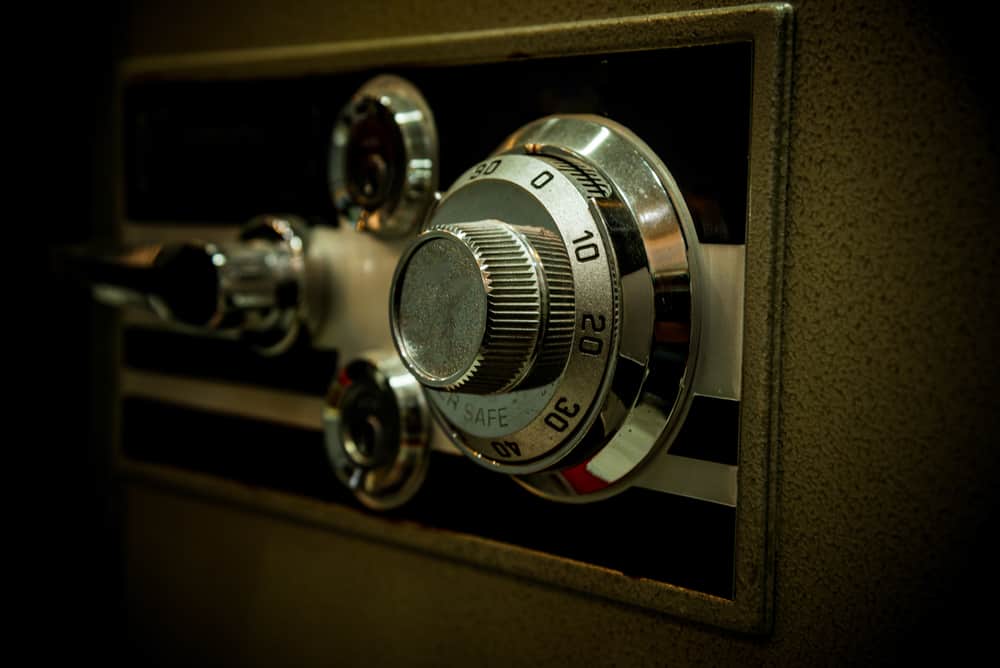
To any astute buyer, purchasing a refurbished item means an immediate saving of money on something that works perfectly well again. But does the same go for a refurbished safe?

Yes, it does. A new safe can set you back thousands, so why not be canny with your purchase and buy a good refurbished one instead? Here’s how.

Set Your Budget

Sure, you can only afford to spend what you actually have in the bank, but… knowledge is power and the better you understand the difference in price for a new safe and a used safe, the easier you can decide how much you need to spend on the likes of a used jewellery safe that will pay you back when fire or fiends strike.

Identify Your Requirements

Was it the neighbour’s smoker barbeque that prompted the thought of a fire safe? Perhaps a spate of local retail burglaries has jolted you into seeking a refurbished commercial safe? Before you buy, make a list of what you want a restored safe for.

Is it to protect against fire? Good house safes start with around 30 minutes of fire protection but it’s not just the time you need to consider. What are you storing in your safe? Paper documents can withstand a more intense heat compared to tape recordings and slides. Computer discs and DVDs are more sensitive again. This is where you would need a thicker walled safe. Check the outer case of the safe for this information.

Other requirements may include the level of security against theft, accessibility around the home or office and for whom, and even portability. Do you wish to take the safe with you in the event of an emergency and if yes, how big do you want it so that when a threat is imminent, the weakest person in the office can carry it?

Shop Around

Sure, get to know what’s out there in the marketplace but like any area of life, some people think they can do something and others are certified professionals. Don’t risk your purchase, and your valuables, on a chance that it might be okay. For reliable, sure-fire security of your possessions, go with Askwith Safes – providers of secure used jewellery safes and commercial safes in Perth and Australia-wide. (Also Read: Choosing a Home Safe: What To Look Out For)

We understand the minute mechanics of safes so that when refurbishment time comes around, the correct tools and parts are used to ensure it’s restored to its former defensive glory.

Our range of second-hand safes don’t go up for sale on our website until they’re able to lock tight and stay tight.

Find Used Home, Commercial and Jewellery Safes in Perth

A refurbished safe can be just as impregnable as a new one, and for much less outlay too. All you need to do is set your budget, know your criteria for getting a safe and go with a trusted refurbisher.

Sounds like you need to give Askwith Safes a call. We’re ready when you are with a range of used jewellery safes and commercial safes second to no-one in Perth. Give us a call today.
Posted on Leave a comment

Why Call a Locksmith Before Settling Into a New Home

locksmithing professional perth

It is an exciting time to be a first-time home buyer in the Western Australian market because the government pays up to $10,000 towards the purchase as part of the First Home Owner Grant scheme. Now that you have found the home of your dreams and are impatiently waiting for the settlement to take place, your mind has likely turned to moving day. As well as organising a moving truck, you need to call your local locksmith, and there are two good reasons why.

Someone Else May Have Keys to Your Home

During the 2015-2016 financial year, there were 28,489 residential burglaries compared to 10,078 non-dwelling burglaries. Burglaries are often an opportunistic crime, and having keys to your home land in the wrong hands certainly lends itself to opportunity.

When you take ownership of your home, you know it has been previously lived in. But how many new owners consider whether the previous owners were honest? Are you 100% confident there are no other keys to your front door floating around in the hands of someone who is waiting for you to go out? Does your new neighbour have a key? If the home was previously rented, are you 100% sure the tenant didn’t make a key copy and give it to their mate?

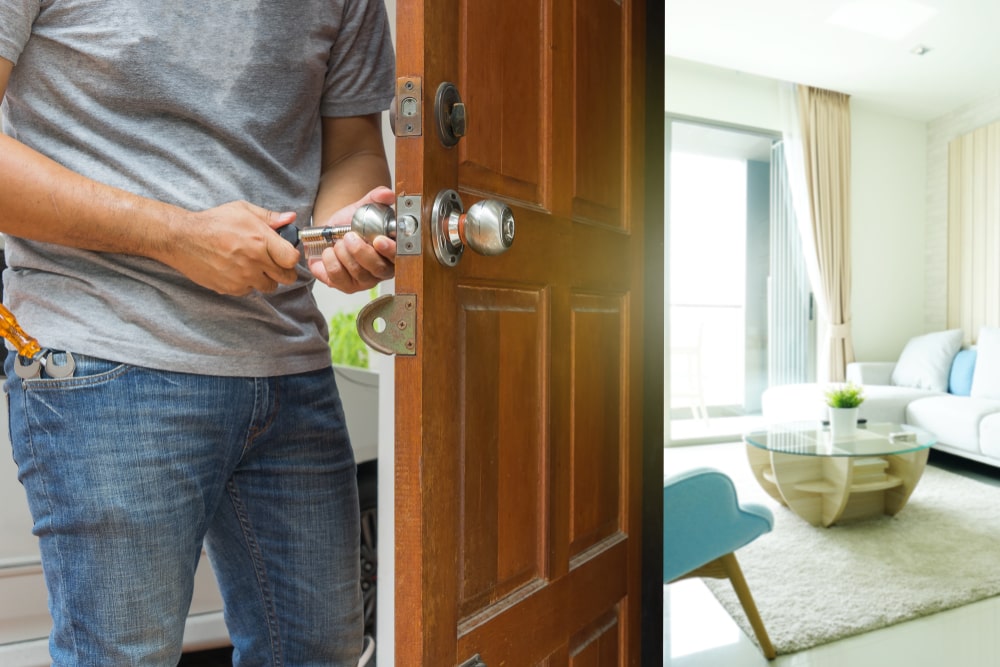
There is only one way you can be 100% guaranteed you and your family members are the only people who have a key to your home, and that way is to get the locks changed on move-in day. You don’t want the thrill of owning your first home to be marred by disappointment when your home is broken into just days after moving in.

Someone May Be Watching Your Trash Piles

Many young couples moving into their first home go on a little spending spree and purchase new furniture and electronics for the house. They may go shopping because the existing furnishings doesn’t match the new decor or perhaps there is no better way to celebrate than to put a large, shiny new TV up on the wall.

However, there are less-than-honest people who notice things like new television boxes sitting at the kerb on trash day, and this box is a big beacon advertising you now have something worth taking in your home. Microwaves, blenders and other kitchen appliances all have boxes to be disposed of. Anything small enough to be grabbed and carried can quickly be removed from your home and either sold at the markets or pawned for some quick cash.

How Can Locksmiths Help You

When organising a locksmith to change the locks on your home, choose one who also offers home security systems. Discuss what you want to protect and where the house is vulnerable. It is not necessary to buy an elaborate security system to protect your belongings. One study performed by a UK company exposed that even a simple home security system is enough to send a burglar elsewhere. Once again, burglars are looking for quick opportunities, and a security system can hinder their efforts for a quick getaway.

When you get ready to move into your home, book a locksmith to meet you there once you have officially settled on the property. This measure is the only way to give you the peace of mind that your home is safe and secure. Change the locks, install a security system and then enjoy moving all your old and new belongings in the protected home of your dreams.

If you’d like to speak with a locksmithing professional, contact the experts at Askwith Company. We’ll provide you with the answers you seek so you can feel comfortable in your home.

Posted on Leave a comment

Tips to Keeping Valuables Safe at Home

Many people assume the most secure place to keep valuables is in a bank safe. After all, these safes have constant security and alarm systems protecting them. However, banks rarely insure these deposit boxes.On the other hand, home safes are often insured by renters or homeowners insurance. These safes also allow you to access important documents without waiting for the bank to open. You can keep your important documents in your home, protected from fire, burglary and floods. As a rule of thumb, you should keep any item that would be hard to replace in your safety-deposit box. However, here are some additional items you may want to include in your safe:

Insurance policies

You will need your property insurance information immediately following an accident or natural disaster damages your home. You will also need to know how to contact your insurance agent to file a claim. Keep this information in your safe to protect it in case of a fire.

Passports and identification cards

 You don’t want your identification documents to get into the wrong hands. Place your passport and a copy of your driver’s license in your safe in case you lose the originals and to reduce the risk for identity theft.

Original birth and marriage certificates

You usually only have one copy of these documents, so keep them in a secure location where they won’t get stolen or lost.

Medical information

Have your family’s doctor information, pharmacy contact information and prescription medications in your safe. In case of a medical emergency, you will need this information close by.

External hard drive

Many people keep important information on their computer where it could get hacked or lost from a virus. Keep all family pictures, tax documents and online passwords on an external hard drive in your safe. This device ensures you have an extra copy of all your important digital files.

Bank safe keys

If you have a safe in the bank, keep the keys in your home safe to protect them from theft.

Bank account, outstanding debt and retirement plan information. After a fire, you will want to have documentation of all your financial information. Additionally, in case of death, you will want your posterity to have access to this information as well.

Cash

You may need cash on hand in case of an emergency.

Legal documents

If you have any legal documents, keep them protected in your safe. For example, if you have a will, store it in the safe. When you pass away, your loved ones will need to access a copy of the will to make sure your final wishes are met as soon as possible. Keeping a copy in your safe will also ensure your loved ones get taken care of during a time of great loss.

Expensive or rare jewellery

You may want to protect expensive jewellery from theft but still have it close enough that you access it without much effort. These pieces may include heirloom jewellery or rare coins. Always keep an inventory of your rare jewellery with photos and written appraisals for your personal records.

Household inventory

After a fire, you probably won’t be able to recall every possession in your home that was damaged. However, to file an insurance claim you will need that information. Keep an inventory of home items in your safe to protect them from fire damage.

Stock and bond certificates

You may have electronic access to investment information. However, keeping written documents in a safe may be useful when you want to redeem them.

Vehicle titles and spare keys

Keep your vehicle documentation in your safe, along with an extra pair of keys in case the original set gets lost or stolen.

Take time to compile your important documents and valuables. Then, organize them into your home safe. Keeping them in a secure location will ensure you have them during an emergency.

Posted on Leave a comment

Safes, Locks and Latches: How to Childproof Your Home

You’re thrilled that your child can finally crawl or walk. But with your child’s new mobility comes increased concern for his or her safety. If you haven’t childproofed your home, he or she could get injured.

Fortunately, protecting your child from common home dangers doesn’t have to be difficult. Follow these guidelines and you can breathe a little easier.

Protect your valuables with some of the best most trusted Chubb safes in Perth.

1. Get a Gun Safe

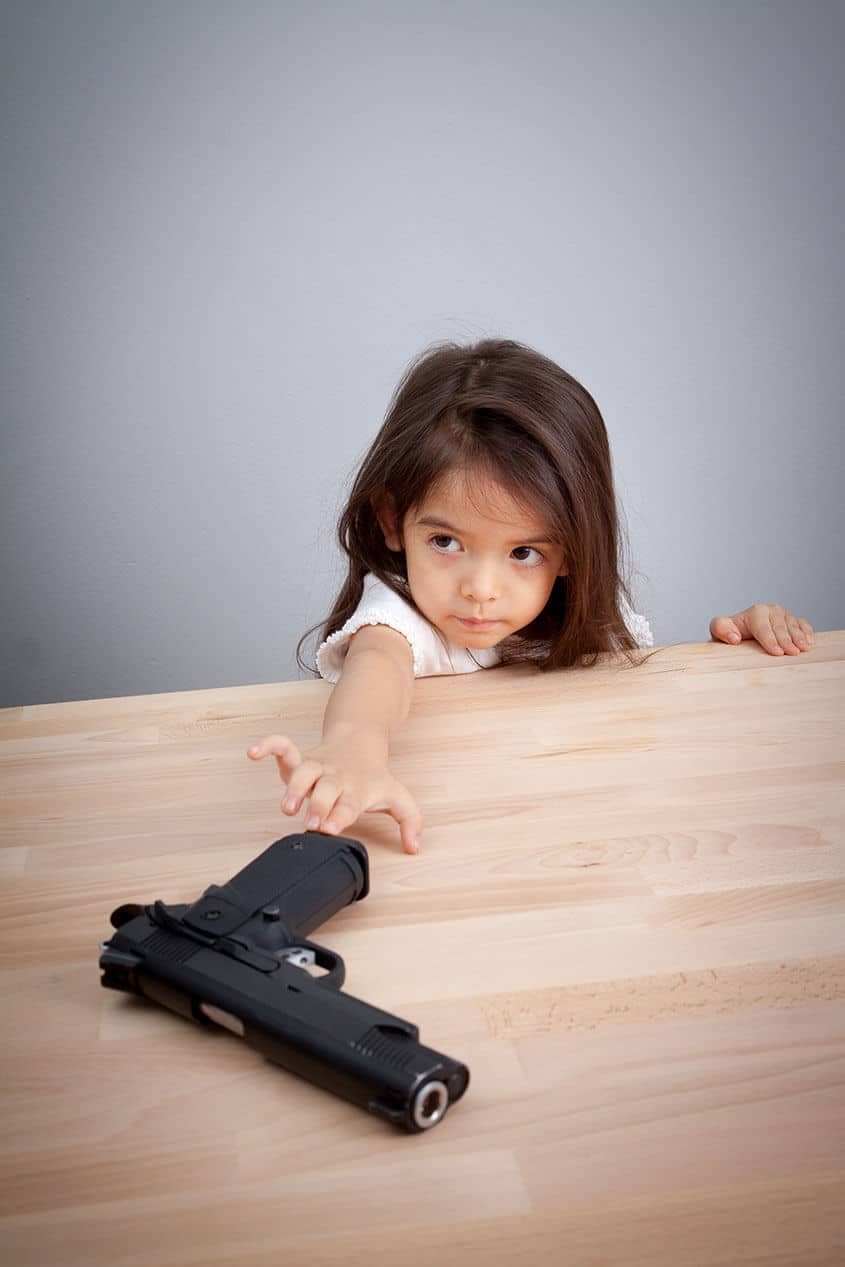
If you own a gun, your first priority should be purchasing a high-quality gun safe. If your gun isn’t stowed out of reach, your child’s curiosity can quickly turn to tragedy.
Gun safes are highly durable, and they’re typically made from thick solid steel. Some come with a typical lock and key, and others come with electronic locks. You should consider investing in a safe with a separate lockable ammunition compartment. That way, even if you forget to lock the safe, your child can’t access the ammunition.
Before you place the gun in the safe, remember to remove the ammunition and set the safety catch to prevent it from firing.

2. Install Latches on Cabinets

As your child moves around your home, he or she might grab medicines, household cleaners or other dangerous items. Putting these items on high shelves away from your child’s reach may not be enoughespecially once your child learns how to climb.
Instead, install safety latches on all the drawers where you store hazardous items. You’ll be able to unlatch and open the drawers, but your child won’t.

3. Place Outlet Protectors

Children often stick their fingers or other objects in electrical outlets, and this action can cause electrocution. You can reduce the risk of electrocution by covering every outlet within your children’s reach with an outlet protector. However, some children might be able to remove these outlet protectors-so look for outlet covers with safety latches.

4. Use Safety Gates

You probably want to keep your child out of certain areas of your house. For example, your bedroom might contain many valuables your son or daughter could break. In that case, place a gate in front of the door that your child can’t cross, even when the door is open.

Another important place to install a safety gate is in front of the staircase. If your child hasn’t yet learned how to walk down the stairs, a wrong step could send him or her tumbling down. You should use gates that mount to the door frame to ensure your child won’t knock it over.

5. Assess Your Furniture

When you have an energetic baby, the furniture around your house suddenly becomes a danger.

Look around your home for any heavy furniture that could fall, such as dresses, bookcases and televisions. Move them securely against the wall, and bolt them to the wall if possible.

Tables can be particularly dangerous. In the first years of life, your child is at the perfect height to hit his or her head against the corners of tables. There’s a solution: corner and edge bumpers. Place them on the corners of each table, and your child’s head will bump against a soft surface.

If any of your window blinds have dangling cords, replace them right away, as children can accidentally strangle themselves with these cords.

6. Be Aware of Water

Remember that children can drown even in a small amount of water. If they fall face first in the water, they may be unable to get up. Don’t leave water unattended in your home, whether it’s in the bathtub or a bucket.

If you have a pool, make sure it’s protected with a cover-and surrounded by a fence.

Follow these tips and your child can explore your home safely.

Posted on Leave a comment

What Items are Home Safes Good For?

Many people assume the most secure place to keep valuables is in a bank safe. After all, these safes have constant security and alarm systems protecting them. However, banks rarely insure these deposit boxes. On the other hand, home safes are often insured by renters or homeowners insurance.

These safes also allow you to access important documents without waiting for the bank to open. You can keep your important documents in your home, protected from fire, burglary and floods.

Perth safe company Askwith Safes is your go to for all safe storage and protection for safes and safety deposit boxes.

As a rule of thumb, you should keep any item that would be hard to replace in your safety-deposit box.

However, here are some additional items you may want to include in your safe:

Insurance policies

You will need your property insurance information immediately following an accident or natural disaster damages your home. You will also need to know how to contact your insurance agent to file a claim. Keep this information in your safe to protect it in case of a fire.

Passports and identification cards

You don’t want your identification documents to get into the wrong hands. Place your passport and a copy of your driver’s licence in your safe in case you lose the originals and to reduce the risk for identity theft.

Original birth and marriage certificates

You usually only have one copy of these documents, so keep them in a secure location where they won’t get stolen or lost.

Medical information

Have your family’s doctor information, pharmacy contact information and prescription medications in your safe. In case of a medical emergency, you will need this information close by. (Related Article: WA Medicine Storage Regulations)

External hard drive

Many people keep important information on their computer where it could get hacked or lost from a virus. Keep all family pictures, tax documents and online passwords on an external hard drive in your safe. This device ensures you have an extra copy of all your important digital files.

Bank safe keys

If you have a safe in the bank, keep the keys in your home or office vault to protect them from theft.

Bank account, outstanding debt and retirement plan information. After a fire, you will want to have documentation of all your financial information. Additionally, in case of death, you will want your posterity to have access to this information as well.

Cash

You may need cash on hand in case of an emergency use cash tins.

Legal documents

If you have any legal documents, keep them protected in your safe. For example, if you have a will, store it in the safe. When you pass away, your loved ones will need to access a copy of the will to make sure your final wishes are met as soon as possible. Keeping a copy in your safe will also ensure your loved ones get taken care of during a time of great loss.

Expensive or rare jewellery

You may want to protect expensive jewellery from theft but still have it close enough that you access it without much effort. These pieces may include heirloom jewellery or rare coins. Always keep an inventory of your rare jewellery with photos and written appraisals for your personal records. (Related Article: 5 Ways to Keep Jewellery Safe at Home)

Household inventory

After a fire, you probably won’t be able to recall every possession in your home that was damaged. However, to file an insurance claim you will need that information. Keep an inventory of home items in your safe to protect them from fire damage.

Stock and bond certificates 

You may have electronic access to investment information. However, keeping written documents in a safe may be useful when you want to redeem them.

Vehicle titles and spare keys

Keep your vehicle documentation in your safe, along with an extra pair of keys in case the original set gets lost or stolen.

Take time to compile your important documents and valuables. Then, organize them into your home safe. Keeping them in a secure location will ensure you have them during an emergency. Check our wide range of home and office safes if you want to go have a head start.

Posted on Leave a comment

Childproofing Homes with Safes, Locks, and Latches

Safes, Locks and Latches: How to Childproof Your Home

You’re thrilled that your child can finally crawl or walk. But with your child’s new mobility comes increased concern for his or her safety. If you haven’t childproofed your home, he or she could get injured.Fortunately, protecting your child from common home dangers doesn’t have to be difficult. Follow these guidelines and you can breathe a little easier.

1. Get a Gun Safe

If you own a gun, your first priority should be purchasing a high-quality gun safe. If your gun isn’t stowed out of reach, your child’s curiosity can quickly turn to tragedy. Gun safes are highly durable, and they’re typically made from thick solid steel. Some come with a typical lock and key, and others come with electronic locks. You should consider investing in a safe with a separate lockable ammunition compartment. That way, even if you forget to lock the safe, your child can’t access the ammunition. Before you place the gun in the safe, remember to remove the ammunition and set the safety catch to prevent it from firing. (Related Article: New and Used Gun Safes: Pros and Cons)

2. Install Latches on Cabinets

As your child moves around your home, he or she might grab medicines, household cleaners or other dangerous items. Putting these items on high shelves away from your child’s reach may not be enough especially once your child learns how to climb.Instead, install safety latches on all the drawers where you store hazardous items. You’ll be able to unlatch and open the drawers, but your child won’t.

3. Place Outlet Protectors

Children often stick their fingers or other objects in electrical outlets, and this action can cause electrocution. You can reduce the risk of electrocution by covering every outlet within your children’s reach with an outlet protector. However, some children might be able to remove these outlet protectors-so look for outlet covers with safety latches.

4. Use Safety Gates

You probably want to keep your child out of certain areas of your house. For example, your bedroom might contain many valuables your son or daughter could break. In that case, place a gate in front of the door that your child can’t cross, even when the door is open.Another important place to install a safety gate is in front of the staircase. If your child hasn’t yet learned how to walk down the stairs, a wrong step could send him or her tumbling down. You should use gates that mount to the door frame to ensure your child won’t knock it over.

5. Assess Your Furniture

When you have an energetic baby, the furniture around your house suddenly becomes a danger.Look around your home for any heavy furniture that could fall, such as dresses, bookcases and televisions. Move them securely against the wall, and bolt them to the wall if possible.Tables can be particularly dangerous. In the first years of life, your child is at the perfect height to hit his or her head against the corners of tables. There’s a solution: corner and edge bumpers. Place them on the corners of each table, and your child’s head will bump against a soft surface. If any of your window blinds have dangling cords, replace them right away, as children can accidentally strangle themselves with these cords.

6. Be Aware of Water

Remember that children can drown even in a small amount of water. If they fall face first in the water, they may be unable to get up. Don’t leave water unattended in your home, whether it’s in the bathtub or a bucket.If you have a pool, make sure it’s protected with a cover-and surrounded by a fence. Follow these tips and your child can explore your home safely.

Posted on Leave a comment

Achieve data security today with a reliable data protection safe

data protection safe

Achieve data security today with a reliable data protection safe.

Despite the recent shift to electronic record-keeping systems, the amount of paperwork required to be kept on-site by schools is greater than ever. Schools keep confidential records on a wide range of topics, from student behavioural files to staff payroll information. Many schools make do with a set of binders sitting in the principal’s office, but as legislative provisions and Department of Education policies mandate ever stricter security requirements, this may no longer be sufficient.

A data protection safe, or secure document cabinet, is an inexpensive and efficient way to maintain the security of important documents. Here are three reasons why your school should invest in one.

Access Control

Keeping your school’s records in a data protection safe means that access to files can be restricted to only those staff who require it as part of their job. Without protections, other people may gain access. Cleaners, for example, may have unrestricted access to the office after hours, and older students who find themselves in the principal’s office for disciplinary reasons may be left alone on occasion.

Consider personnel files, for example. These are sensitive documents that could cause considerable damage to the individuals concerned if placed into the wrong hands. Although keeping these files in locked room, such as the principal’s office, is a good first step, there is still a risk that these documents could fall victim to prying eyes. Keeping paper-based records in a data protection safe means that nobody can access the files without a key or passcode.

Legal Requirements

Schools are subject to a multiplicity of state and federal legislation on a variety of topics, and recordkeeping is no exception.

Schools are subject to the Privacy Act 1988 and are required to take reasonable steps to maintain the security of the personal information they collect. This may include student records, staff personnel files, and financial information collected from parents. Fines may apply to both the school and the individual for non-compliance.

The Office of the Australian Information Commissioner recommends that paper files are appropriately secured when not in use, and even goes so far as to suggest that failing to have measures in place to prevent break-ins may be a breach of the Act. Therefore, a data protection safe is an investment worth considering to ensure your school does not fall foul of the law.

School Continuity and Disaster Preparedness

Like any other organisation, schools are vulnerable to natural disasters and other events that may cause the destruction of paper records.

Bush fires, for example, are a feature of the Australian natural environment. Around 150 schools are currently listed on the Department of Education’s Bushfire Zone Register, meaning they are at a high degree of risk when the statewide fire danger rating is high. In addition, virtually all schools are vulnerable to man-made causes of destruction, such as arson.

Imagine if all of your school’s records were destroyed due to a fire or other disaster event. How would you pay your staff, and what would this mean for your students’ education? Many data protection safes are now fire- and heat-resistant, meaning they have been built to withstand the scorching temperatures that result from flames. By investing in a fire-proof secure document cabinet, your school will be able to bounce back from any kind of disaster.

Records management is probably the last thing on any principal or school administrator’s mind. However, keeping your records safe is not only a school’s legal responsibility, but also crucial for ensuring its smooth operation. Although those binders on your bookshelf may have served you well over the years, you never know when prying eyes or disasters might strike. Get in touch with the Askwith Company today for a quote on a new data protection safe.

Posted on Leave a comment

How to Choose the Right Key Cabinet for Your Business

Keys-without-key-cabinets

What is the right key cabinet for your business and do you really need one?

Most people are content to stick all their keys on the same ring and leave them on the kitchen benchtop, but if your business involves handling a large number of keys (especially keys allowing access to sensitive or expensive areas) you’ll want a more robust way of protecting them from thieves and other troublemakers.

Key cabinets are a great solution to the problem of securing multiple keys, and can commonly be found in rental agencies, car dealerships and hotels around the world — these simple, safe-like cabinets provide extensive key storage space and durable security in a surprisingly compact package.

However, not every key cabinet is perfect for your business, and you should make sure that the key cabinet you choose is suitable for the needs of your business and its employees. Be sure you look through a number of key cabinets to give yourself options, and asking yourself the following two questions can help you choose the right one.

How Large Should My Key Cabinet Be?

Naturally, you will want your key cabinet to be able to hold all the sensitive keys your company uses, so you should try to match the capacity of your key cabinet to the number of keys that need securing as closely as possible. Purchasing an overly large key cabinet for a few keys isn’t just a waste of money—it can also disrupt proper key organisation and can make keeping an accurate count of how many keys are in the cabinet more challenging.

You should also bear in mind that a larger key cabinet is much heavier than smaller options, especially when considering the steel and other durable materials these cabinets are made from. Key cabinets need to be securely mounted to a wall to provide effective security, otherwise an opportunistic thief can simply pick up the cabinet and steal all your keys at once.

A relatively fragile plasterboard wall, like the interior walls found in many pre-fabricated office spaces, may not be able to hold up a fully laden 200-key cabinet. As such, it’s important to mark out a suitable space for your new cabinet in advance to determine what cabinets your wall can support.

Should I Choose a Key or Combination Lock?

Modern, electronic combination locks may be all the rage in the world of safes, but there is still a lot to be said for a traditional key-and-keyhole lock on your new key cabinet.

Using a traditional keyed lock necessarily limits the amount of people who can access the cabinet—based on the number of keys you have made for it—and prevents any particularly lucky thieves from stealing or guessing the combination to your cabinet. Keyed locks also cost much less to make than electronic combination locks, so you can expect to find them on cheaper cabinet models.

On the other hand, electronic combination locks are often worth the extra price tag for the additional security they provide against picking. Lacking any physical keys also sidesteps the headaches of losing your cabinet keys, which can often mean having your cabinet expensively opened and re-locked by a professional locksmith or safe engineer.

The greatest advantage of an electronic combination lock, however, is that it allows you to easily and frequently change the passcode that grants access to the cabinet—many key cabinet operating businesses change their passcodes on a daily or weekly basis, providing an excellent extra layer of protection, particularly against disgruntled ex-employees.

If you are having trouble deciding which type of lock is best for your business, one of the easiest ways to choose is by totting up how many employees will need access to the cabinet. If large numbers of employees need access to business keys, such as at a large hotel complex, a combination lock is much easier to operate with no risk of employees losing keys.

On the other hand, if only you or a select number of employees are permitted access to the cabinet, such as at a luxury car dealership, a keyed cabinet can be entirely fit for use.

Use the information in this blog to determine which key cabinet is right for your business. However, if you have any more questions or concerns about key cabinets, get in touch with an experienced safe company.

Posted on Leave a comment

Common Types of Security Safes

Best-safe-to-withstand-fire

Do we really need a security safe at home or at the office?

One of our basic needs is to safeguard our valuables and prized possessions. The number of times we have wondered if it is really necessary: is it safe to keep my jewellery, passports or money at home? Will my kids be in danger of accidentally shooting themselves if I purchase myself a licensed gun as a hobby or for work? Will I get bankrupt if a fire starts by any chance at home or in my office?

The requirement for a secure safe appeared quickly ever since humans discovered silver, gold and other valuable possessions. Up until 1820 they were a deterrent against theft, however beginning in the 1840s they were designed, by using so-called Wilder technology, to protect against fire. The theft-proof safe was first patented in 1835 by Chubb Safes (they are currently producing safes for nearly 200 years).

There is a well-established industry behind safes. They are generally made of metal, are created to be fire resistant and are using high tech electronic devices, laser-cut doors and memory encryption capabilities. Among the world’s reliable security companies is Askwith Safes. They offer high quality at competitive rates and in more than 20 years of being on the market they have stayed devoted to the founder’s beliefs: cost, development and quality.

Types of Security Safes

Safes generally have two main categories – these are known as Homes Safes or Commercial safes – and can be categorized in 3 main types:

1) Burglar Proof Safes

They offer security versus theft, however really little versus fire. Generally, they have solid metal walls and a heavy door resistant to a drilling, cutting or prying attack. Hardened resistant metals are frequently used to decrease attempts to break into this safe.

2) Fire Proof Safes

Generally they are made of a thin metal double wall and have a fire-resistant insulating material between the walls. They have a minimum level of security since they are designed to safeguard (particularly papers) against fire. They need to preserve an internal temperature of below 200 degrees C (the point at which documents will be ruined). The safes supply the fire security for either 30, 60, 90 or 120 minutes. There are “Data Safes” which maintain less than 52 degrees C (the point at which information media is ruined) and also secure against high humidity, electromagnetic contamination, and so on

3) Fire/ Burglar Proof Safes

They are normally multi-purpose safes and provide great protection both versus thefts and fire. They are developed like a burglary safe but have a secondary wall inside, which includes insulation (the product that assists in keeping a low-temperature level).

Normally home safes are used to deter theft or in the case of an accidental property fire. We tend to store many personal belongings, wills, property deeds, contracts, insurance policies and other important documents in your home. In this instance, a fire or a burglar proof safe are needed and will be located in the floor or in the walls.

The wall safes require a special framing and it is better to place them as low as possible due to the fact that, in the event of a fire, the temperature is lower at ground level. They are very practical for those people who value their possessions but do not want to keep them in a bank or safety deposit box. These types of safes are simple to install and easy for access. They do not require any unique adjustments of the interior or the style of the house when installing.

When you are on a budget to buy a high-end safe it is much better to keep in mind about burglar proof safes! They do not look like the common steel safe and, although they have no protection versus fire, they can discourage a prospective robber, who hasn’t got the time to search the entire home.

Likewise, let us not forget the gun safe which is the most reliable way of preventing a tragic accident at home! Although it will cost extra in comparison to any normal budget safe, it’s much better to keep in mind that we ought to prevent the dangers by keeping the guns secure and safe.

When buying a safe we need to think of the location and accessibility of the unit. The range and kind of safe you can get for your budget and how it is ranked in terms of cash rating. Work with one of our consultants at Askwith safes today to discuss the best solution that suits your lifestyle and can safeguard your house/office from damage or other external threats. When all these are at stake, safes are the next finest alternative.

Fire Safes are usually made out of a special fire-resistant solid barrier material: 50mm body and 66mm door thicknesses and have a fireproof insulating product in between the walls. The safes offer a good fire defence for either 30, 60, 90 or 120 minutes.

For a more in-depth look at our product specifications, contact us at Askwith Safe and our experience safe consultants will be there to strategise and guide you through every step of the way.

Posted on Leave a comment

How to Safeguard Guns After Purchasing Them

Keep-Your-Gun-Safe-From-Children

Find The Most Reliable Gun Safes in Perth

In today’s world, a great deal of people wishes to have a gun, not for hunting, however for the protection of their household/farms and their houses/offices.

As soon as you have purchased a gun, you have to be mindful of the obligation that comes with it. Often the absence of a weapon safe can cost you a great deal especially if you have curious kids. You need to take the time and the investment to assure yourself that your weapon is safe!

(Related Article: Four Reasons Why Gun Safes are a Must-Have for Owners)

Quality Gun Safes

Some of the guns are supplied with a lock. For instance, Winchester guns are offered together with a cable-type lock or a trigger lock, depending upon the gun. The Askwith Safe company uses a wide range of gun safes, commercial safes and home safes in Perth. These are not only extremely practical with a level of reliability but likewise has a high fire and cash rating, that can sit well in your house or office. When buying a gun safe from Askwith you will also buy the guarantee that it comes with among the best market warranties. Depending on the security level of the safe, Askwith company safes offers a range of safes that have burglary resistant protection build in with electronic or digital lock (LCD Models) which is simple to operate and can be programmed with any combination of 3-8 digits.

Branded Quality Chubb Safes

Chubb safes is a brand of safes and vaults with its origins in the UK. It specialises in products which offer certified burglary protection and/or fire protection. The brand is widely sold and marketed in the UK, South Africa, India and Malaysia as well as parts of northern Europe and east Asia.

Although a safe gun is a great and sensible investment, it will cost you additional money. That’s why it is not unreasonable to consider a discount weapon safe!

The cost of the safe depends on its size, on its alternatives if it is fire-resistant (normally the fireproof safes cost more, however, if you have a pricey weapon collection it’s worth selecting the safe to be fireproof). But you can still get Askwith refurbished cheap home safes at a bargain rate if you drop by to our office branches now to have a chat with one of our certified safe specialist.

If the safe are bigger in size (for 10 to 25 weapons), you can increase its security by bolting it to the floor (floor safes). Askwith secure safes complies with police regulations and is bolted with 40mm washers and as per Police guidelines.


And remember that a great gun safe will keep the children safe and deter any other unauthorized intruders away from access to your weapon! It will safeguard your gun not just from thefts, water and fire but likewise from dust and humidity. Call Askwith Safe today and see our range of safes for sale in Perth and Adelaide.